
This is for the other 90% of the game.
We want to help parents see their kids whole game not just the points they score. Teaching your kid about effort, decision-making, and being a great teammate is much harder — StatStuffer gives you the data and the words to help your child grow, backed by what actually happened out there.
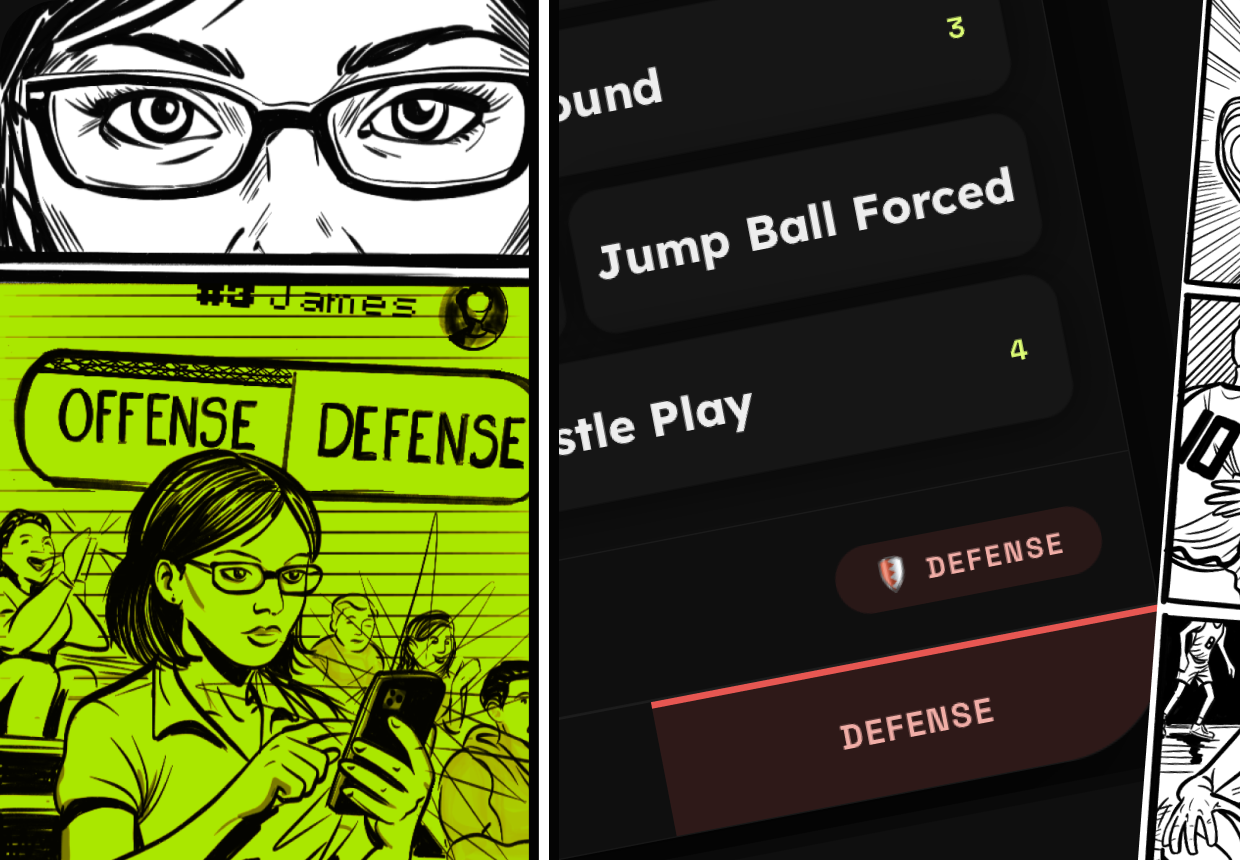
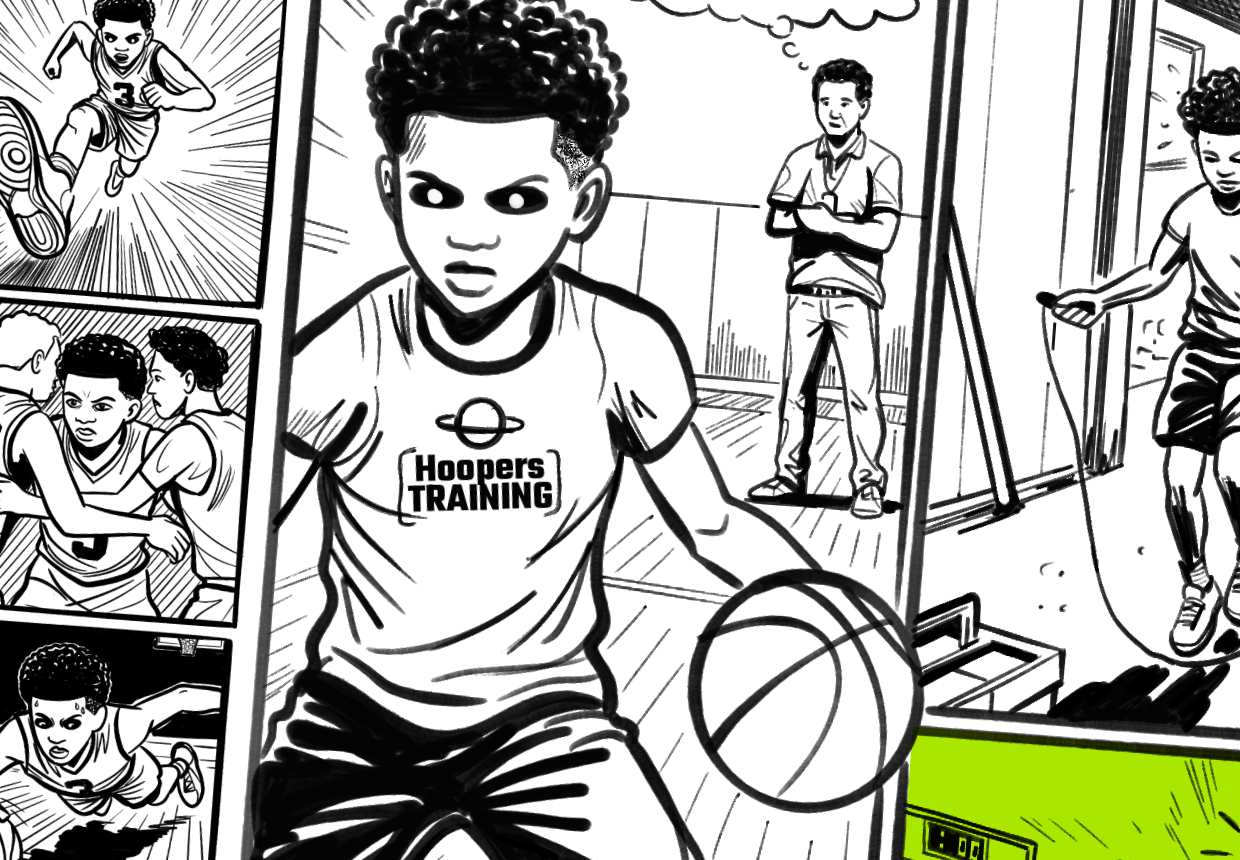
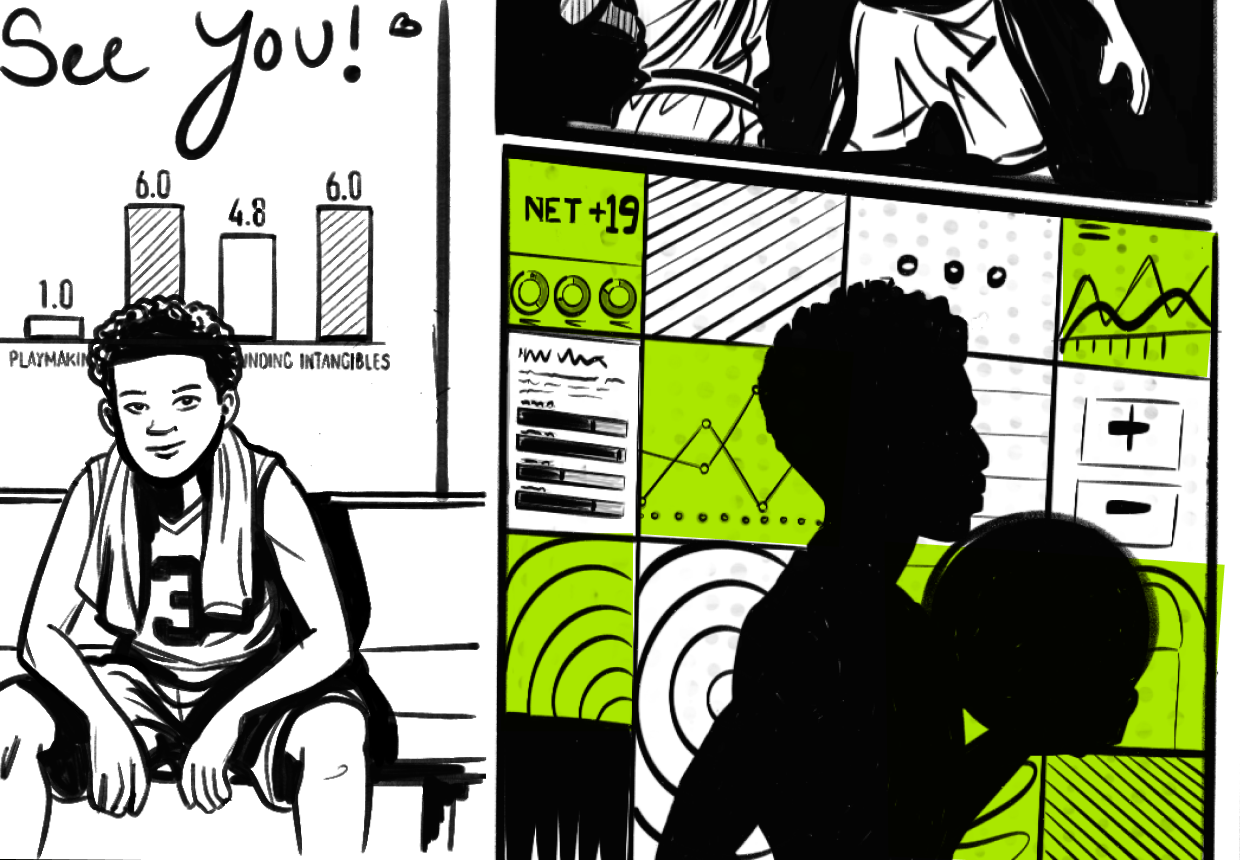
My son averaged less than four points last season. He also averaged nine rebounds, four assists, and was a lockdown defender who did all the little things to make his team successful.
He was a dawg out there. The scorebook remembered four points.
I grew up in an ego climate — did you win, did you score, were you better than the other kid. I knew I wanted to talk to my son differently than that. I just didn't have the words for it, and I didn't have anything to point at.
So I built the thing I wanted on the sideline.
Three things.
Nothing else.
Track the whole game from the sideline
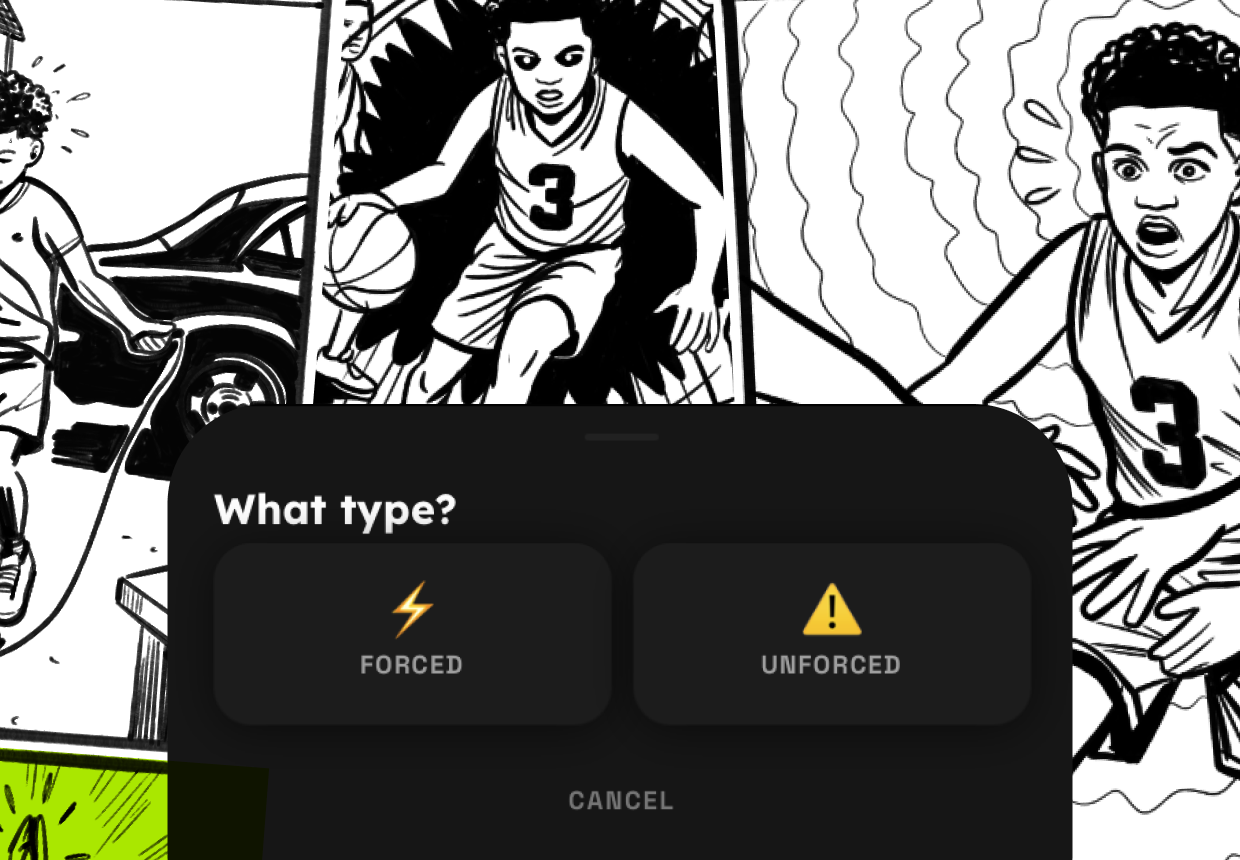
Every stat that matters, including the ones no scorebook has a column for: charges taken, loose ball dives, contested boards, forced versus careless turnovers.
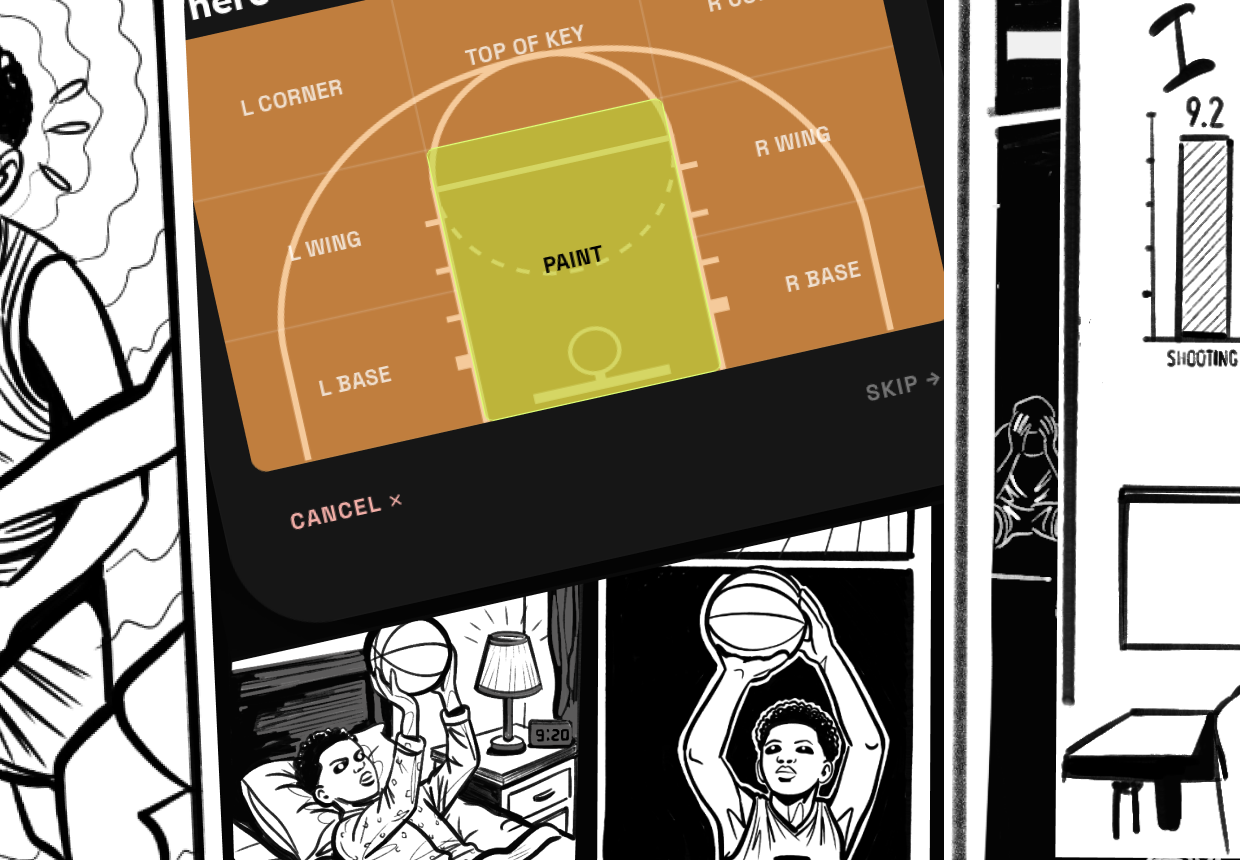
Because you're tracking one player instead of a roster, it's a tap here and a tap there — you're watching your kid play, not running a spreadsheet.
And a turnover caused by pressure counts differently than a careless one, because the intent was different.
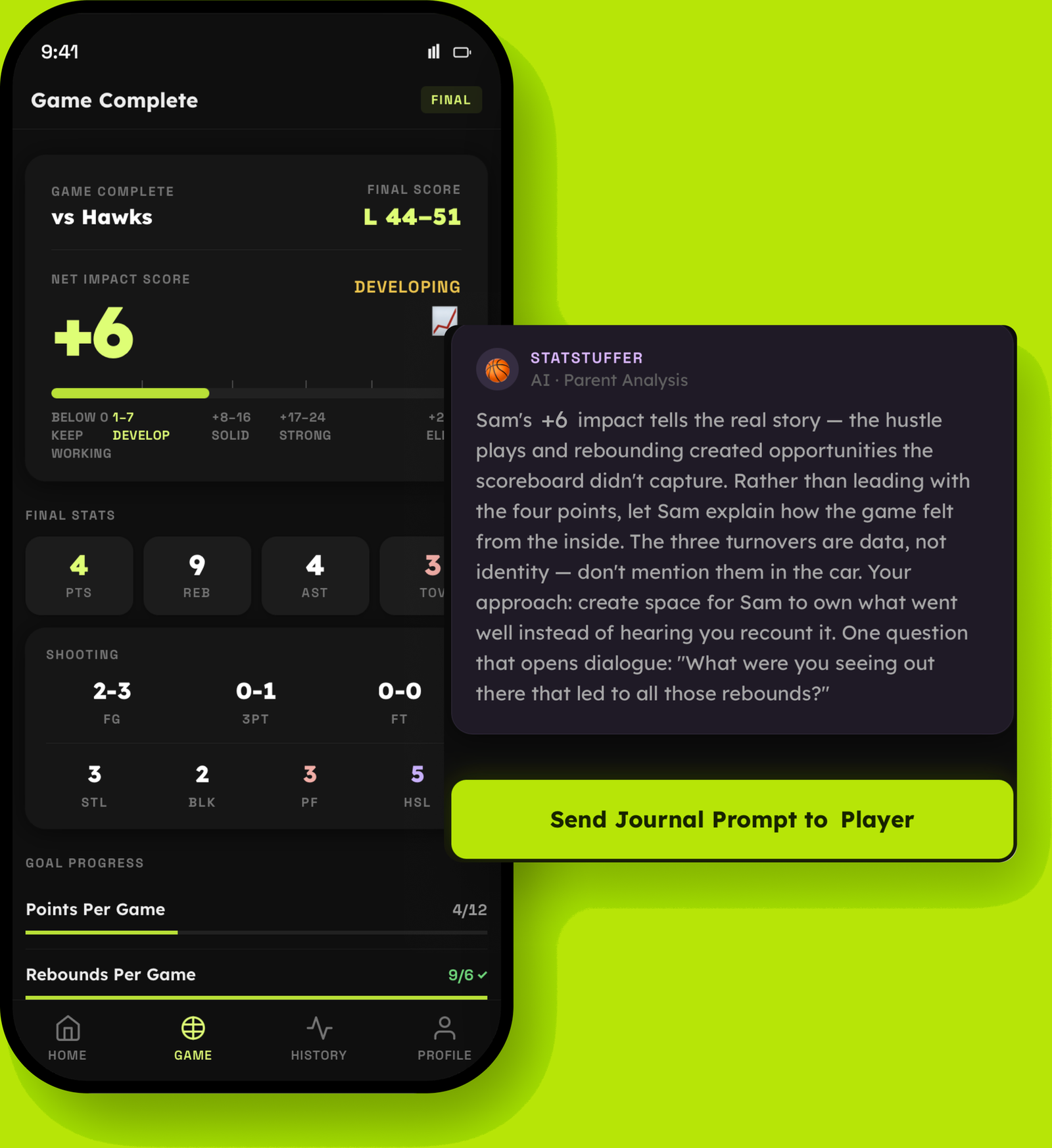
A Net Score and StatStuffer analysis credits for competing, not just for succeeding.
Get the words for the ride home
After every game, StatStuffer reads what you logged and tells you what it means — the pattern worth noticing, the thing worth mentioning, the question worth asking.
It's built from what you actually tapped, not the few plays that carry emotion.
Feedback grounded in sports psychology - Analysis before they leave the court that speaks to the parents and the player at their level.
Hand your player something valuable
Four points. Nine rebounds. Two charges. A dive on the floor in the fourth. The scorebook remembers one of those.
StatStuffer builds a card that shows your player all of it, written in language meant for them — and ends with a question worth answering out loud.
Text it, or just show them your phone. It can help break down communication barriers and build a healthy competitive mindset.
Game one is a snapshot. Game ten is a pattern.
One game tells you how a night went. Ten games tell you who your player is becoming. Their profile builds season over season, year over year. That's when it stops being stats and starts being development you can actually do something about.
Built for kids.
Handled like it.
No player accounts. No photos. Your kid never downloads anything. Names are never sent to the AI. Everything lives in your iCloud, and you can delete all of it in one tap.

Be part
of the build.
We're inviting a small group of parents to shape StatStuffer before it launches. Track a few games this fall, tell us what breaks, and help us get it right.
By submitting your email, you confirm you are 18+ and agree to our Terms of Service and Privacy Policy. We will only use your email to send you TestFlight invitations and beta-related updates.